Why Should We Sleep More?
I bet you go to sleep every night without even asking yourself why. But I sometimes do. Is it just because we feel tired or is there a more intrinsic reason? Sleep is a universal behavior shared by the vast majority of species on Earth. Every kind of animal shows some sort of sleep, even if it may differ from each other. For example, dolphins and birds enter sleep with only one brain hemisphere at a time – the other remains awake. I feel there must be a deep reason that makes human beings sleep at regular intervals throughout their life.
The Glymphatic System
But let’s now talk about the human species. Our brain weighs only 3 pounds or roughly 2% of the average adult body mass. Yet, its cells consume 20-25% of the body's total energy. During the process, we generate potentially toxic protein wastes and biological debris. The adult brain gets rid of:
- ¼ ounce of worn-out proteins per day
- ½ pound per month
- 3 pounds per year, equal to the brain's own weight
The Danish neuroscientist Nedergaard found a system responsible for clearing proteins from the brain. And he learned that this system is most active during sleep. The need to remove toxic wastes from the brain may help explain the mystery of why we sleep.
The cleaning activity inside the brain is performed by the glymphatic system. This newly coined word combines the words “glia” – a type of brain cell – and “lymphatic”. The cerebrospinal fluid (CSF) flowing in the glymphatic system removes the protein debris.
The glymphatic system turns out to be active mainly during sleep and is largely disengaged during wakefulness. It seems that the brain must enter a state of activity that enables the elimination of neurotoxic waste products. This is currently the strongest argument for the biological need for sleep across all species.
The Power of Sleep
Interferences with sleep can cause cognitive problems – Alzheimer’s and Parkinson’s in the first place. Neurodegenerative diseases are often linked to waste aggregates that form in brain cells. In the case of Alzheimer’s, a protein called beta-amyloid forms aggregates called amyloid plaques between cells. These prevent the transmission of electrical and chemical signals. In a healthy brain, it’s the glymphatic system that discards beta-amyloid.
Many patients with Alzheimer’s experience sleep disturbances long before their dementia becomes clear. Scientists found a correlation between insomnia and the risk of contracting a neurodegenerative disease. Sleep difficulties of dementia are not just a side effect of the disorder. They may contribute to the pathological process itself.
Pharmaceutical companies have not yet considered treatments for neurodegenerative diseases that remove beta-amyloid. A drug that could regulate the glymphatic system, increasing the flow of CSF, might prevent the development of amyloid plaques. Clinical trials are underway for Alzheimer’s, but positive results have not yet been reported.


I had never truly considered the implications of a lack of sleep...thank you for the insight!
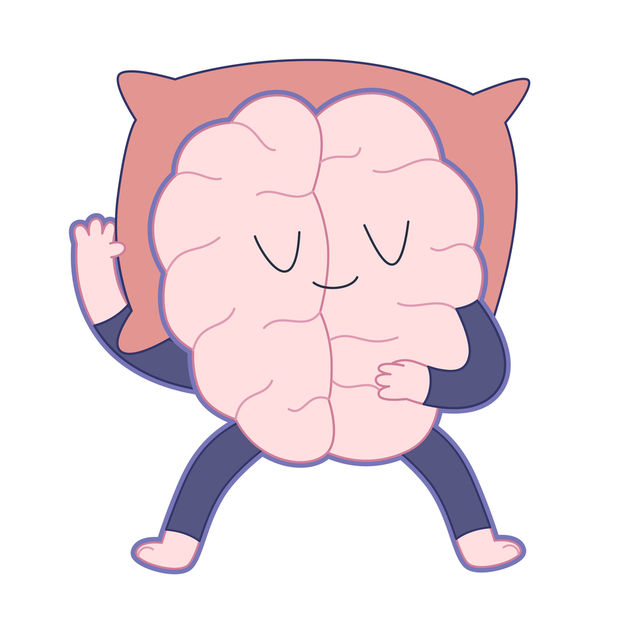
ReplyDeleteWow - I didn't know that dolphins and birds enter their sleep with only one brain hemisphere at a time! That's crazy, imagine if humans did that! Really like the picture of the sleeping brain as well. I had no idea that so much went on inside my brain during sleep, such as the glymphatic system being active and the cleaning activity that occurs with it. Very cool and insightful!
ReplyDeleteVery interesting read, because I love to to sleep, so now I can use this information to sleep more. What is the optimal hours to sleep every night for an adult?
ReplyDeleteI never knew that interferences with sleep can cause cognitive problems. I have always been scared of Alzheimer’s because a few of my (not close) family members have suffered from it. This was a a very informative blog. Thank you !
ReplyDeleteVery interesting reading about how sleep is important. It is something my father always stressed to me in telling me that sleep if important for the brain.
ReplyDeleteI always wondered why it is important for animals to sleep. If you think about it you are very vulnerable during sleep and you would expect that natural selection would have selected individuals which do not need to sleep–but it did not! The fact that this did not occur explains the importance of sleep. I am sure there is more to discover in this field of science and it is worth to keep looking at it.
ReplyDeletePatrick